


Nicotinamide adenine dinucleotide (NAD) is a critical coenzyme found in every cell of the human body, playing a vital role in various enzymatic reactions. Its primary function is to help produce energy within the mitochondria by acting as an essential electron transporter. In this article, we will delve deeper into the functions and importance of NAD and examine its potential applications in promoting health and longevity.
The Role of NAD in Cellular Metabolism
So what is nicotinamide adenine dinucleotide? NAD is a crucial coenzyme that participates in numerous metabolic pathways and redox reactions, helping cells to convert nutrients into usable energy. In cellular respiration, NAD is responsible for shuttling electrons from one molecule to another, enabling the transformation of fuel molecules like sugars, fats, and proteins into the universal energy currency, adenosine triphosphate (ATP). By facilitating the transfer of electrons, NAD maintains a continuous flow of energy in cells and sustains various essential biological processes.
Aside from its role in energy production, NAD also participates in the synthesis of cellular macromolecules, like DNA and proteins, by acting as a substrate for several enzymes involved in these processes. For example, NAD-dependent enzymes called sirtuins play an essential role in regulating gene expression, cellular stress responses, and aging. In this context, higher NAD levels have been associated with improved cellular health and resilience against age-related decline.
Additionally, NAD is involved in cellular signaling events and acts as a cofactor for enzymes responsible for DNA repair and the maintenance of genome stability. This function is particularly important in preventing the accumulation of DNA damage and mutations, which can lead to the development of diseases like cancer. It is a versatile and essential molecule required for the proper functioning of cells and the maintenance of human health at the most fundamental level.
NAD+ Precursors and Supplementing for Health
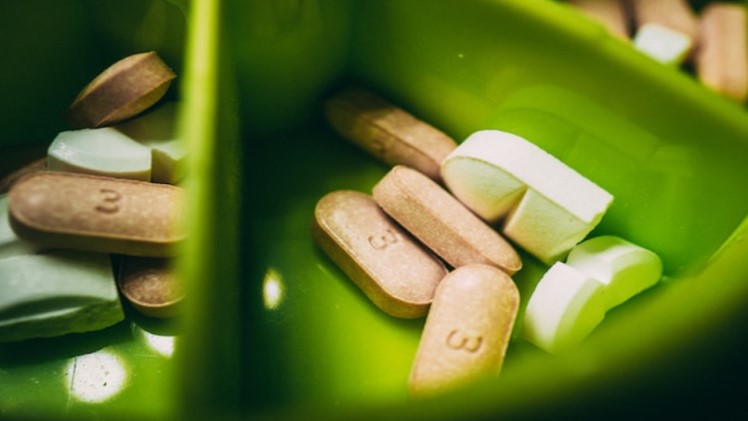
As we age, NAD levels naturally decline, contributing to various age-related health issues, such as decreased energy levels, cognitive decline, and a higher susceptibility to diseases. Researchers have been studying ways to increase NAD levels in the body, and one approach involves supplementing with NAD+ precursors, namely nicotinamide riboside (NR) and nicotinamide mononucleotide (NMN). Both NR and NMN can be converted into NAD+ in cells, potentially augmenting cellular NAD levels and offering a host of health benefits.
Studies in animal models have demonstrated promising results, with NAD+ precursor supplementation leading to increased NAD+ levels, which in turn translated to improvements in mitochondrial function, cognitive performance, and lifespan. Furthermore, supplementing with NAD+ precursors has been suggested to protect against various age-related diseases, such as Alzheimer’s, heart disease, and metabolic disorders.
The Potential Use of NAD in Skin Care

Aside from its essential functions within the cell, NAD has been shown to positively influence skin health as well. In the skin, NAD has antioxidative properties, protecting against oxidative stress and photoaging caused by prolonged exposure to ultraviolet (UV) radiation. Reduced NAD levels, which occur naturally with age, can weaken the skin’s protective barrier, leading to wrinkles, age spots, and dull complexion.
Given its antioxidative capabilities, there has been growing interest in incorporating NAD and its precursors, like NR and NMN, into skin care products. Some preliminary research has demonstrated potential benefits, with NAD+ precursor applications leading to improved skin hydration, elasticity, and reduced signs of aging. However, more extensive studies are needed to determine the optimal formulations and concentrations of NAD and its precursors for maximum efficacy in skin care applications.
Future Directions and Applications of NAD Research
Research into NAD and its various functions has come a long way in recent years, revealing new insights into the molecular mechanisms underlying health and disease at the cellular level. As a result, numerous potential applications of NAD supplementation and modulation have emerged, including its use as an anti-aging agent, mitochondrial protector, and therapeutic intervention for metabolic and neurological disorders.
Moreover, as we continue to uncover new roles of NAD and its interconnected pathways, the future may hold even more exciting possibilities. For instance, manipulating NAD levels within cells might someday offer novel therapeutic strategies for treating a wide array of diseases, from cancer to neurodegeneration.
The ongoing research into NAD and its various biological roles hold great potential for improving our understanding of health and longevity at the molecular level. As we continue to explore this fascinating area of study, NAD is poised to become a critical contributor to human well-being, offering new pathways for promoting health and combating the detrimental effects of aging in a variety of ways.
