

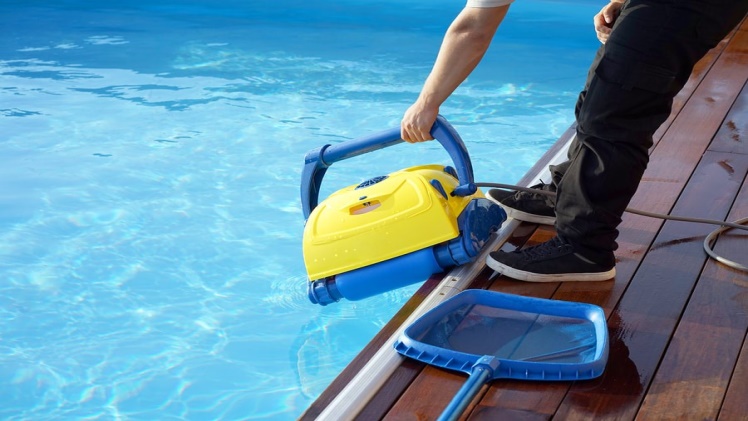
A professional pool cleaning service will do all the work needed to keep your pool clean and healthy. They also offer inspection services to spot any issues with the equipment or structure that may need repair.
The amount of work required depends on the location, type and usage of your pool. A large pool will need more attention than a smaller one.
Pool Cleaners
Pool cleaning service use specialized equipment to remove dirt, algae, and other contaminants from pools. The equipment includes pumps, filters, heaters and cleaners, chemical feeders, and salt chlorine generators.
Whether you are cleaning the pool yourself or contracting it out, your pool needs to be cleaned regularly to keep it clean and safe. The frequency of a pool clean will depend on the type and size of the pool, the amount of debris in the water, and the level of use.
Pool Equipment
Debris can include leaves, small pebbles, twigs, bugs and more. It is important to collect all of this material and remove it before it floats in the water or gets on the pool equipment.
A leaf rake attached to a tele pole is another essential tool for removing floating debris from the pool. It is a must-have for any pool service professional. It should be used at least weekly during swim season and monthly in the offseason to keep the pool looking great.
Maintenance & Chemical Management
Keeping your pool clean is an essential part of your summertime enjoyment. But it’s also a tedious job that requires regular maintenance and chemical management.
If you don’t have the time to do the necessary work yourself, hiring a swimming pool cleaning service is a great way to ensure your water is balanced and safe to swim in. Companies that specialize in pool cleaning services will know how to balance the water and maintain a healthy level of chemicals, which can help prevent swimmers from contracting illnesses such as E. coli and shigellosis.
Pool’s Chemical Balance
Maintaining a properly balanced pool isn’t easy, and it can take some trial and error to figure out what works best for your particular needs. But the good news is that there are a variety of chemicals that can be used to maintain your pool’s chemical balance.
Brushing the pool surface and walls helps loosen sand, dirt, and debris that can be picked up by chemicals and vacuums. It also prevents algae spores from getting a foothold and growing in your pool.
Vinyl or Fiberglass Pools
The type of brush used depends on the material of your pool – vinyl or fiberglass pools require a soft brush; plaster pools or concrete pools need a stiff one.
You should brush your pool from the shallow end to the deep end in a slow, sweeping motion. Do not rush the process or you’ll disturb the debris that is settled onto the pool floor or into the skimmer.
Vacuuming is the next step in pool cleaning, and it’s important to wait for at least two to 24 hours before doing it. This allows any debris that has been loosened by brushing to settle into small piles on the floor and ready for you to vacuum them away.
Maintenance or Repair Issues
When you hire a pool cleaning service, you are hiring someone who will be able to perform regular inspections on your swimming pool. This will help them keep it in good working condition and minimize any costs associated with maintenance or repair issues.
Comprehensive Examination of the Structure
A pool inspection involves a comprehensive examination of the structure of your pool, including equipment and safety features. This inspection can prevent a number of issues, from water damage to injury and accidents.
It’s also important to have a pool inspector look at the surrounding areas, such as your fence and gates, to make sure that they meet all local codes. This will ensure that your pool is safe for both you and your guests to use.
Final Words:
When a company is performing an inspection, they will have to take photos and jot down any irregularities they find. These can then be included in a report that they will provide to you when they complete the inspection.
