

Pregnancy can be perplexing – it’s easy to misinterpret its symptoms and the changes in your body. For instance, fatigue and headaches are typical pregnancy indicators but are also associated with other illnesses.
Thanks to advances in science and technology, you don’t have to rely on guesswork to determine whether you’re expending a little bundle of joy (or bundles). For instance, you could opt for a free test suggested by Pregnancy Resource Center at one of their clinics.
But which test methods are available? How accurate are they? Which one should you pick, or what variables should you consider when evaluating your options? Let’s dive into the specifics.
What Does a Pregnancy Test Look for?
Put simply, a pregnancy test checks for a hormone called human chorionic gonadotropin (HCG). Often dubbed the pregnancy hormone, HCG commences production soon after implantation – when a woman’s fertilized egg is implanted in the uterus, usually about six days post-conception. That said, it can take up to two weeks for the hormone to be detectable.
A few changes occur when you get pregnant. For starters, the placenta starts to develop, and as a result, it produces HCG. Every few days afterward, HCG levels double and continue to increase until the 10th week of pregnancy. After leveling off, the production of HCG starts to drop for the remainder of your pregnancy.
A higher concentration of HCG in your body typically points to pregnancy. This explains why any test that detects the hormone is more accurate during the second week of pregnancy and beyond – when HCG levels increase significantly.
The Different Types of Tests
Pregnancy tests fall into two categories: Urine tests and blood tests. Let’s discuss each in detail to give you a better idea of what each test entails.
Urine Tests
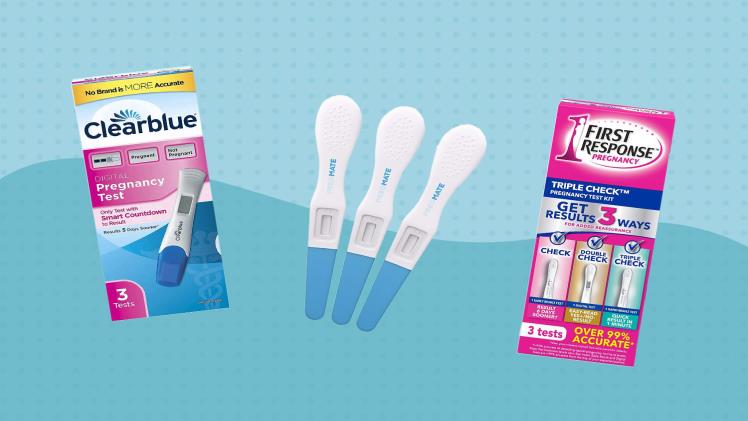
These are the most common types of tests and can be purchased over-the-counter at your local pharmacy – no need for a prescription. This at-home test is also simple and non-invasive.
Urine tests work by detecting HCG levels in your pee. They come in two varieties – digital and non-digital. The latter requires you to compare the color intensity to a chart in the instruction manual, while the former gives you a “yes/no” answer. The accuracy of urine tests can vary, but they are usually reliable if used correctly and according to instructions.
Well then, how does a urine test work? Basically, you can take a urine test in one of three ways: use a dropper to place your urine on a chemical test strip, place the test stick in a cup of urine, or time the urine stream and dip the stick when it’s halfway over.
A medical provider may also offer urine tests. For instance, Pregnancy Resource Center clinics offer free lab-certified urine tests with 99% accuracy. All the same, here’re some tips to maximize a urine-based test:
- Use first-morning urine as it contains higher levels of HCG.
- Avoid drinking fluids before taking the test.
- Read instructions carefully and follow them to a tee.
- Check the package to ensure it’s not past its expiration date.
Blood Test
Though not as common, blood tests accurately detect pregnancy hormone levels. These tests require a trained professional to draw a blood sample from your arm. Afterward, they analyze the sample in a laboratory and give you results within 24 hours or less.
Besides detecting the presence of HCG, blood tests also measure the hormone’s concentration in your bloodstream. Urine tests, however, cannot give you such detailed information. For instance, a qualitative blood test helps determine the presence of the pregnancy hormone. In contrast, a quantitative test indicates the amount of HCG in your sample.
Bear in mind that laboratory-grade accuracy is unavailable with over-the-counter tests. Thus, if you are experiencing worrisome symptoms – such as intense abdominal pain – it’s advisable to go for a blood test at your nearest medical facility. Your healthcare provider can compare HCG levels over time to help diagnose possible complications or confirm a successful pregnancy.
How to Select the Right Test Method
Generally, blood and urine tests are viable options for determining whether you’re pregnant. However, certain factors may help you decide the test to spring for, including:
- Your circumstances – if you have a history of ectopic pregnancy or miscarriage, you may need a blood test.
- Cost – some clinics offer free urine tests while others charge for them, although blood tests are generally more expensive.
- Convenience – Unlike blood tests, urine tests are available over-the-counter and don’t require an appointment.
- Accuracy – blood tests offer detailed information and usually detect lower concentrations of HCG than urine tests. Even so, some urine tests offer a high degree of accuracy.
Administration of the test affects accuracy. As such, if you choose a urine test, follow the instructions on the package. That said, the right test should meet your preferences and needs.
