

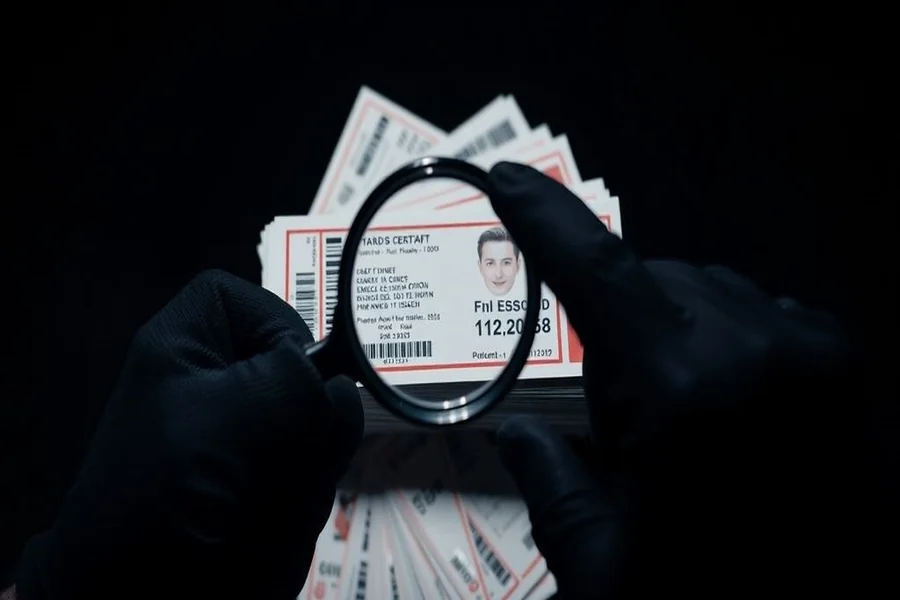
Going to concerts, sports games, or cool events is awesome, but nobody wants to get ripped off. It’s a real bummer when you’re looking forward to something, only to find out your ticket is fake or the whole event was a scam. This guide is here to help you become a real ticket detective, so you can spot the bad guys and keep your money safe. We’ll go over common tricks scammers use and how you can protect yourself, so your next event experience is a good one.
Spotting the Sneaky Scammers: Your Inner Ticket Detective
Fake Websites and Phony Tickets: What to Watch For
Okay, so you’re on the hunt for tickets. Awesome! But before you click ‘buy,’ let’s arm you with some knowledge. Scammers are getting super clever with fake websites that look almost identical to the real deal. I mean, they’re good. Really good. So, what do you do? First, double-check the URL. Look for weird spellings or extra characters. If it feels off, it probably is. When it comes to spotting fake tickets, examine the ticket closely. Are there blurry images? Typos? Does the font look weird? These are all red flags. Always check ticket authenticity if possible, through the official vendor.
Social Media Scams: Don’t Fall for the Hype
Social media is a breeding ground for ticket scams. You see a post from a
The Art of the Deal: Buying Smart as a Ticket Detective
Okay, so you’re ready to snag some tickets. Awesome! But before you jump in, let’s talk about how to do it the smart way. Think of it like this: you’re a ticket detective, and you’re on a mission to find the real deal without getting duped. It’s all about being savvy and knowing the tricks of the trade. Let’s get into it.
Stick to the Official Channels, Always
Seriously, this is rule number one for a reason. I know it can be tempting to look for tickets on some random site that promises crazy discounts, but trust me, it’s usually not worth the risk. Go straight to the source! Check the official website of the venue, the artist, or the event organizer. These are your safest bets. Ticketmaster, Live Nation, and AXS are generally reliable, but always double-check that you’re actually on their official site and not a cleverly disguised fake. It’s like buying shoes – you wouldn’t go to a back alley when you could hit up a real store, right?
Secure Payment Methods: Your Best Defense
Alright, you’ve found your tickets on a legit site – great! Now, how are you gonna pay? Credit cards are your friend here. They offer way better protection than, say, a wire transfer or sending cash through some app. If something goes wrong, like you get fake tickets or the event gets canceled, you can usually dispute the charge with your credit card company and get your money back. It’s like having a safety net. Also, look for “https” in the website address and a little padlock icon in your browser. That means the site is using encryption to protect your payment info. Don’t hand over your credit card details to a site that doesn’t have these security measures!
Too Good to Be True? It Probably Is
This is the golden rule of ticket buying. If a deal seems way too good to be true, like tickets being sold for a fraction of their original price, pump the brakes. It’s probably a scam. Scammers often lure people in with ridiculously low prices, hoping they’ll be too excited to think clearly. Do some research, compare prices on different sites (official ones, of course), and if something feels off, walk away. It’s better to miss out on a
Unmasking the Imposters: Real-Life Ticket Detective Tales
Time to get into some real-world examples of ticket scams gone wild. These stories aren’t just cautionary tales; they’re like training exercises for your inner ticket detective. We’ll look at some truly unbelievable situations where people got seriously burned, and what we can learn from their experiences. It’s easy to think “that would never happen to me,” but these cons are more sophisticated than you might think. So, buckle up, because some of these are pretty wild.
The Threatin Hoax: A Band That Never Was
Remember Threatin? This is a crazy story. A band seemingly booked a European tour, but it turned out the venues were empty because the shows were never actually promoted. The band faked their entire fanbase and concert attendance. It’s a masterclass in deception, showing how far some people will go to create an illusion of success. It highlights the importance of verifying information and not taking things at face value. As a ticket detective, you’d want to check venue confirmations and look for genuine fan engagement before buying into the hype.
The Bridgerton Ball Bust: When Experiences Go Bad
Ever get excited about an immersive experience, only to find it’s a total letdown? The Bridgerton Ball is a good example. People paid a lot of money expecting a high-end, themed event, but what they got was… not that. Overcrowding, poor organization, and a general lack of the promised experience left attendees feeling ripped off. This shows that even seemingly legitimate events can be scams if they don’t deliver on their promises. The lesson? Do your research, read reviews, and manage your expectations.
Con Artists and Their Clever Cons
There are some seriously skilled con artists out there. They come up with incredibly creative ways to trick people, from fake ticketing agencies to elaborate Ponzi schemes involving event investments. These cons often involve exploiting people’s trust and desire for a good deal. Staying vigilant and skeptical is key. If something seems too good to be true, it probably is. Always double-check the source and be wary of pressure tactics. A good ticket detective never lets their guard down.
Protecting Your Pockets: Financial Savvy for the Ticket Detective
Okay, so you’re trying to snag tickets, but you also want to keep your money safe, right? It’s like walking a tightrope – excitement on one side, potential disaster on the other. Let’s talk about how to be smart with your cash when buying tickets, so you don’t end up with empty pockets and a whole lot of regret. It’s not just about finding the cheapest deal; it’s about making sure you actually get what you pay for. Think of it as leveling up your financial defense skills.
Chargebacks and Refunds: Know Your Rights
Ever bought something online and it turned out to be totally bogus? That’s where chargebacks and refunds come in. Basically, if you get scammed or the event is canceled, you can often get your money back from your credit card company or the ticket seller. It’s like a safety net. But here’s the thing: you gotta know your rights and act fast. Each company has different policies and time limits, so read the fine print before you buy. Keep records of everything – emails, receipts, screenshots – because that’s your evidence if things go south. Don’t be afraid to fight for your money; it’s yours, after all!
Identity Theft: Keeping Your Info Safe
Scammers aren’t just after your money; they want your personal info too. Think about it: your name, address, credit card details – that’s gold to them. So, how do you protect yourself? First off, be super careful where you enter your info online. Look for the padlock icon in your browser, which means the site is secure. Use strong, unique passwords for everything (and don’t reuse them!). And keep an eye on your bank statements and credit reports for anything fishy. If something seems off, report it immediately. It’s a pain, but it’s way better than dealing with the fallout of identity theft.
The Cost of a Scam: More Than Just Money
Getting scammed sucks, plain and simple. It’s not just about losing the money you spent on fake tickets. It’s the disappointment of missing out on an event you were really looking forward to. It’s the stress of dealing with the aftermath – reporting the scam, trying to get your money back, worrying about your personal info. It can take a real emotional toll. That’s why it’s so important to be proactive and protect yourself in the first place. A little bit of caution can save you a whole lot of heartache down the road.
Beyond the Ticket: Other Event Scams to Avoid
It’s easy to focus on just the ticket itself when you’re trying to avoid ticket scams online, but scammers are sneaky. They’ve got more than one trick up their sleeves. It’s not just about fake tickets; they’re branching out into other areas surrounding events, trying to separate you from your money in new and creative ways. You need to know how to verify event tickets, but also be aware of these other potential scams.
Fake Merchandise and Souvenirs
Think you’re getting a sweet deal on a band t-shirt or a signed poster outside the venue? Think again! A lot of that stuff is cheap knock-offs, or worse, completely fake. You might think you’re getting a steal, but you’re really just throwing your money away on something that’ll fall apart after one wash or isn’t even authentic. It’s a bummer, but it happens all the time. Always buy merchandise from official vendors inside the venue to be safe.
Bogus VIP Packages and Experiences
Ever seen those VIP packages that promise backstage access, meet-and-greets, and all sorts of exclusive perks? Some of them are totally legit, but others are just scams designed to lure you in with false promises. You pay a premium price, expecting the ultimate fan experience, and end up with nothing more than a slightly better seat and a cheap lanyard. Do your research before you buy, and only purchase VIP packages from the official event organizers or a legitimate ticket reseller.
Phony Charity Events: Don’t Get Duped
This one’s particularly low. Scammers will create fake charity events, often piggybacking on the popularity of a real cause or a celebrity’s name. They’ll sell tickets, promising that the proceeds will go to a good cause, but in reality, they pocket the money. Always, always double-check the charity’s legitimacy before buying a ticket. A quick search online can save you from supporting a scam and ensure your money actually goes where it’s intended.
Your Action Plan: What to Do When You Suspect a Scam
Okay, so you think you’ve been had. Your gut is screaming “scam,” and that ticket you bought seems faker than a three-dollar bill. What do you do now? Don’t panic! There are steps you can take to try and recover your money, and more importantly, to stop these crooks from ripping off someone else. It’s time to put on your detective hat and get to work.
Reporting the Rascals: Who to Tell
First things first, report the scam. I know, it feels like a hassle, but it’s super important. Start with the platform where you bought the ticket. If it was a site like StubHub or Ticketmaster, they usually have procedures for reporting fraud. Next, hit up the Federal Trade Commission (FTC). They collect data on scams and can help track down the bad guys. Also, consider filing a report with your local police department, especially if you have a lot of information about the seller. The more reports that are filed, the better chance there is of catching these scammers.
Gathering Evidence: Be a Super Sleuth
Time to play detective! Gather every single piece of evidence you can find. Screenshots of the ticket listing, emails with the seller, payment confirmations, even text messages – everything. Organize it all neatly. The more evidence you have, the stronger your case will be when you report the scam to the authorities or try to get your money back. Think of it like building a case in court; you need solid proof to back up your claims.
Spreading the Word: Protecting Others
Don’t keep it to yourself! Share your experience with others. Post about it on social media (but be careful not to defame anyone without proof). Warn your friends and family about the scam. The more people who are aware of these scams, the less likely they are to fall for them. You might even consider writing a review on the website where you bought the ticket to warn other potential buyers. Sometimes, a little bit of awareness can go a long way in preventing future scams.
Staying Ahead of the Game: The Evolving World of Scams
It’s a constant cat-and-mouse game, isn’t it? Just when you think you’ve got all the scam tactics figured out, the fraudsters come up with something new. It’s like they’re always one step ahead, using the latest tech and trends to trick people out of their money. Staying informed is key, but it can feel like a never-ending battle. The internet has made it easier than ever for scammers to reach potential victims, and they’re getting more creative all the time. From fake NFTs to Zelle scams, there’s always something new to watch out for. It’s not just about protecting your money, but also your personal information. Data mining is a real threat, and even seemingly harmless online quizzes can give scammers the information they need to access your accounts. It’s a scary world out there, but with the right knowledge and precautions, you can stay safe.
New Tech, New Tricks: Scammers Get Creative
Seriously, these guys are like innovation machines, but for evil. They’re all over crypto, NFTs, and whatever the latest online craze is. It’s not just about sending fake emails anymore; they’re building entire fake worlds to lure you in. And the tech makes it harder to spot, too. Deepfakes, convincing graphics, it’s getting harder to tell what’s real and what’s not. You really have to keep your guard up.
Staying Informed: Your Best Defense
Honestly, the best thing you can do is stay in the loop. Read articles, follow the news, and talk to your friends and family about the latest scams. The more you know, the better equipped you’ll be to spot a scam before it’s too late. There are tons of resources out there, like the ACFE Insights Blog, that can help you stay informed. Don’t be afraid to ask questions and share your experiences with others. We’re all in this together.
The Future of Fraud: What’s Next?
Who knows what tomorrow will bring? Probably more sophisticated scams that are even harder to detect. AI is definitely going to play a bigger role, both in creating and detecting fraud. We might see more personalized scams that target individuals based on their online activity. It’s a bit unsettling to think about, but the key is to be prepared and stay vigilant. The more we understand the potential risks, the better we can protect ourselves and others.
Wrapping It Up: Stay Smart Out There!
So, there you have it. Event scams are a real pain, and they pop up in all sorts of ways. But honestly, with a little bit of common sense and knowing what to look for, you can totally avoid getting ripped off. Just remember to check where you’re buying tickets, be careful with deals that seem too good to be true, and trust your gut. If something feels off, it probably is. We all want to have a good time at concerts or games, right? So let’s make sure we’re doing it safely. Stay sharp, and happy event-going!
