

Car air fresheners are a popular accessory for many drivers, but have you ever considered the environmental impact of these products? From the production of the air freshener to its disposal, every step in the life cycle of a car air freshener can have an impact on the environment. In this article, we will explore the environmental impact of car air fresheners and discuss the steps that private label air freshener manufacturers can take to make their products more eco-friendly.
Production and Packaging
The production and packaging of car air fresheners can have a significant impact on the environment. The production process involves the use of chemicals and energy, which can contribute to air and water pollution and greenhouse gas emissions. Additionally, the packaging materials used for car air fresheners, such as plastic and cardboard, can contribute to waste and litter.
To reduce the environmental impact of production and packaging, private label air freshener manufacturers can take several steps. These include using eco-friendly materials, such as biodegradable plastics and recycled cardboard, and optimizing production processes to reduce energy consumption and waste. Manufacturers can also implement sustainable sourcing practices, such as using renewable resources and reducing the use of harmful chemicals.
Usage and Disposal
The usage and disposal of car air fresheners can also have an impact on the environment. Many car air fresheners release chemicals into the air, which can contribute to indoor air pollution and harm human health. Additionally, when car air fresheners are disposed of, they can contribute to waste and litter.
To reduce the environmental impact of usage and disposal, private label air freshener manufacturers can take several steps. These include using natural and non-toxic ingredients in their products, such as essential oils and plant extracts. Manufacturers can also provide clear instructions for use and disposal, such as recommending recycling or composting instead of throwing the air freshener in the trash.
Alternatives to Traditional Car Air Fresheners
For those concerned about the environmental impact of traditional car air fresheners, there are several eco-friendly alternatives available. These include:
Natural air fresheners: These air fresheners use natural ingredients, such as essential oils and plant extracts, to create pleasant scents without the use of harmful chemicals.
DIY air fresheners: These air fresheners can be made at home using simple ingredients, such as baking soda, vinegar, and essential oils.
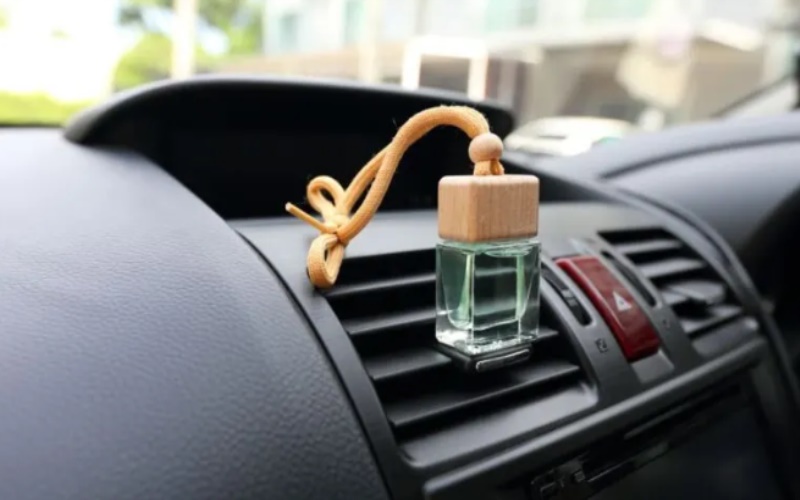
Vent clip air fresheners: These air fresheners attach to the air vents in your car and use the car’s air circulation system to distribute the scent. They are often made with eco-friendly materials and can be reused.
The Role of Private Label Air Freshener Manufacturers
Private label air freshener manufacturers have an important role to play in reducing the environmental impact of car air fresheners. By implementing sustainable production practices, using eco-friendly materials, and providing clear instructions for use and disposal, private label air freshener manufacturers can create products that are both effective and environmentally friendly.
Additionally, private label air freshener manufacturers can work with their customers to educate them about the environmental impact of car air fresheners and promote eco-friendly alternatives. This can help to raise awareness about the issue and encourage more drivers to make sustainable choices.
Conclusion
In conclusion, the environmental impact of car air fresheners is an issue that should not be taken lightly. Private label air freshener manufacturers have a responsibility to consider the impact of their products on the environment and take steps to minimize their ecological footprint. By using sustainable production practices and eco-friendly materials, providing clear instructions for use and disposal, and promoting eco-friendly alternatives, private label air freshener manufacturers can help reduce the environmental impact of car air fresheners.
In addition, it’s important for consumers to be aware of the impact of their purchasing decisions and choose eco-friendly options when possible. This can include opting for natural air fresheners or making their own DIY air fresheners. By making conscious choices and supporting companies that prioritize sustainability, we can all contribute to a healthier planet.
Ultimately, the issue of the environmental impact of car air fresheners is part of a larger conversation about sustainability and responsible consumption. By working together, private label air freshener manufacturers, consumers, and other stakeholders can help create a more sustainable future for ourselves and for generations to come.
