

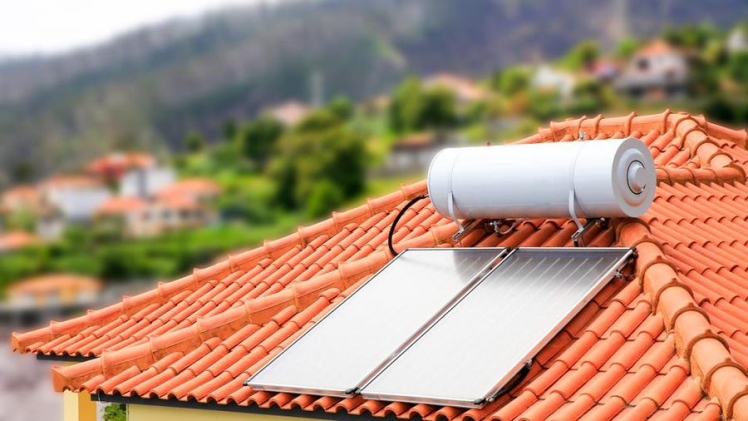
In this article, we will learn about the advantages of using solar water heaters and how they work. We will also discuss the benefits of using solar energy to heat water and why it’s a wise choice for homeowners.
Solar water heaters are becoming increasingly popular as homeowners seek more environmentally friendly ways to heat their homes. Solar energy for water heating can help you reduce your carbon footprint while saving you money on your energy bills.
This article will examine the advantages of solar water heaters and how they work.
How do solar water heaters work?
Solar water heaters use solar energy to heat water stored in a tank. The process begins with solar collectors installed on a building’s roof. These collectors absorb solar energy and convert it to heat transfer fluid, which circulates through the collectors and into a heat exchanger. The heat exchanger transfers heat from the liquid to the tank’s water. The heated water can then be used throughout the house.
What are the benefits of solar water heaters?
Using a solar water heater can provide several advantages, including:
-
Reduced energy bills
Utilizing the sun’s energy to heat water can reduce your reliance on traditional energy sources and thus lower your monthly bills.
-
Environmental advantages
The water heater solar is a more environmentally friendly option for heating, emitting fewer greenhouse gases than traditional water heaters.
-
Durability
Solar water heaters are built to last for many years, making them a potential long-term investment in the sustainability of your home.
-
Incentives and rebates
Installing a solar water heater may qualify you for tax breaks or rebates in some areas, making it a more affordable option.
Before installing an efficient solar water heater, what should you consider?
Before making the switch to a solar water heater, it’s important to consider a few key factors, including:
-
The type of solar heater
Solar water heaters are classified into passive and active. Passive solar water heaters are the most basic type of solar water heater because they do not require any pumps or controllers. They thrive in areas with lots of sunlight and warm temperatures. On the other hand, active solar water heaters circulate the heat transfer fluid using pumps and controllers and are better suited for areas with cooler temperatures or less sunlight.
-
Your environmental climate
Solar heaters work best in areas with plenty of sunlight, so they may not be the best option if you live in a cloudy or rainy region.
-
Your budget
While solar water heaters can provide long-term savings, they may require a significant upfront investment. Budget carefully and, if necessary, consider financing options.
-
Installation requirements
Installing a solar water heater may necessitate changes to your home’s plumbing and electrical systems, so consult a qualified installer.
Conclusion
Overall, solar water heaters are an excellent choice for homeowners looking to reduce their carbon footprint and save money on their energy bills. While the initial installation cost may be higher than traditional water heaters, the long-term savings can be substantial.
Solar water heaters are a smart investment for the future because they reduce our reliance on fossil fuels and produce fewer greenhouse gas emissions.
