

Energy prices around the world have been on a steady rise since the advent of the Covid-19 pandemic in 2020. The pandemic was quickly followed by Russia’s attack on Ukraine in 2022, which has exacerbated volatility in the global oil market. And with the urban population growing consistently over the last couple of decades, competition for limited energy resources brews a potential scarcity of gas and oil. Underinvestment in the energy sector since the oil crisis of 2014 has also created an investment gap, denting its ability to meet future energy demand.
Will LNG Help the World Absorb the Current Energy Shock?
Yes. LNG investments have picked up significantly in the recent past due to its proven sustainability. Investors around the world are competing for a share of the LNG market, so they continue to put up state-of-the-art LNG infrastructure. Ken MacKenzie, chairman of BHP Group Limited, is building specialized containment systems for the liquefaction, regasification, and transport of LNG in Australia. Joseph Sigelman, CEO and chairman of Atlantic, Gulf & Pacific Company (AG&P), is building City Gas Distribution (CNG) networks across Asia, notably in India and the Philippines. Steven J. Kean, CEO of Kinder Morgan, is leading the company in bolstering its LNG production and distribution across North America. These and other investors in every continent on this planet have made LNG a promising fuel of the future.
What is LNG?
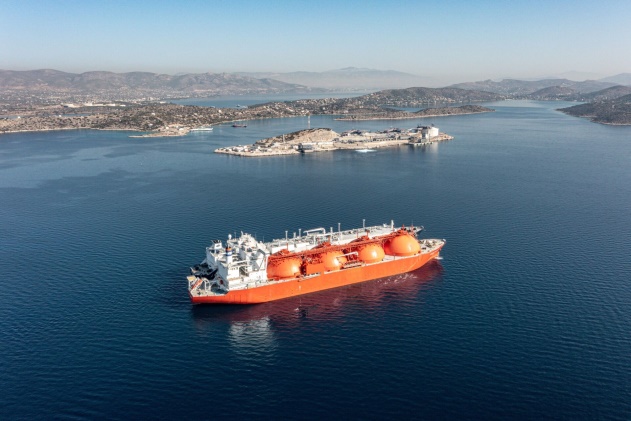
Liquefied natural gas (LNG) is currently considered a bridge fuel. It is a clean fossil fuel that’s set to replace dirtier fossil fuels such as oil and coal. LNG is a liquid fuel that’s formed by chilling natural gas to minus 260 degrees Fahrenheit. In liquid form, natural gas is 600 times smaller in volume than when in the gaseous state, making it transportable by specialized units in ships or trucking containers.
How much cleaner is LNG than other fossil fuels? For starters, natural gas emits about 40% and 20% less carbon dioxide than coal and oil respectively. LNG is high in methane, but its liquefaction, transportation, and regasification infrastructures are designed to eliminate any accidental leakage of methane and other greenhouse gases. LNG can be used as a fuel in power generation plants, with such plants generating approximately 50% fewer CO2 emissions than coal-powered plants. There’s hope that these emissions will continue to minimize as investors come up with higher-efficiency LNG technologies.
Revolutionary Point in the Energy Sector
Energy experts argue that the shock we’re experiencing in the global energy sector is a case of “things getting worse before they start to look up.” When speaking at Davos 2022, Joe Sigelman termed the current energy gap as “a revolutionary point”. In his assessment, there is a huge amount of gas in the world and there are huge investments going on behind the scenes. The needed LNG infrastructure might not be in place right now, but there’s a handful of private investors collaborating with governments to bridge this gap. Their collaboration will expedite infrastructural growth, from import terminals, pipelines, specialized trucks, liquefaction plants, CGD networks, and so on. Joe believes that all continents in the world will not only have energy security soon but will also enjoy the mobility of security that LNG provides.
Europe and the rest of the world can rely on LNG as a transition fuel at least for another 5 decades. There are enough natural gas reserves around the world, and the needed infrastructure and technologies are coming up to make LNG affordable. According to Joe, LNG prices averaged $35 per MMBtu in 2022, but there are limited chances of further escalation in prices given the changing LNG supply-demand dynamics. LNG prices will be high in the very short term and will come down as leading LNG producers continue to revamp their LNG import capacities.
Qatar is in the process of improving its capacity by 50% before 2025 while the US plans on injecting another 50 million tons of LNG into Europe within the same timeframe. Newer markets such as Australia, Trinidad & Tobago, and Mozambique will also add a substantial amount of LNG to the energy market, making LNG quite compelling as a fuel of the future.
Finally, LNG’s promise is supported by its independence from volatile markets such as Russia; the existing oil gap has been made worse by the unfavorable trading environment in Russia. Fluctuations in the market have created instability in oil prices, and everyone now can feel the pinch. LNG will cure this volatility and instability by allowing each continent to be energy sufficient. Every continent has its ample supply of natural gas reserves, after all. LNG prices can only be determined by liquefaction fees and shipping costs, not the geopolitics of the day.
Final word
LNG is enabling the switch to clean energy and low-carbon power generation. It’s a clean-burning natural gas whose future viability has never been in question. A carbon-free future is guaranteed by the growing LNG infrastructure. What’s more, the flexibility of LNG promises to mitigate demand fluctuations in the global energy sector.
