

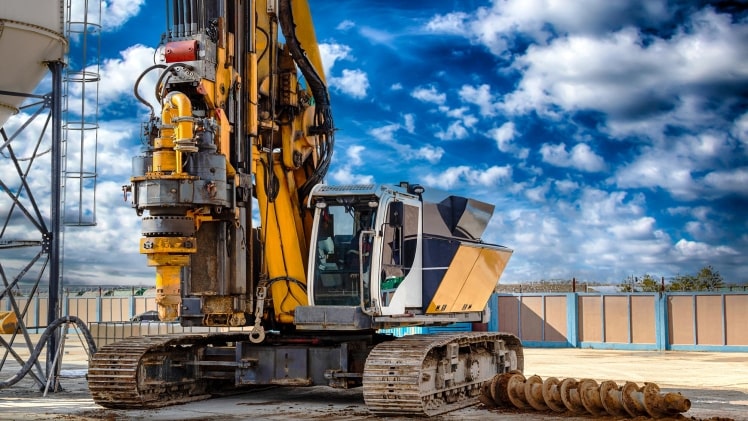
Piling is an essential part of building and without strong foundations, a structure will not stand long. It’s important to hire a piling contractor who has the experience and knowledge to get the job done properly.
Piling contractors use a range of equipment to drive piles into the ground. They also use different types of material to ensure that the foundation is structurally sound.
Qualifications
Piling is a critical part of construction. Without a solid foundation, buildings and structures would fall apart. This is why it is important to choose a piling contractors company that is well-qualified to handle your project.
A qualified piling contractor should have a great understanding of construction and geology. This will help them determine which type of pile is best for your project and ensure that the work is done safely.
An accredited piling contractors company should also be familiar with local codes and regulations. This will ensure that the project is completed safely and on time.
A piling contractors company should also have the appropriate equipment to complete your project. This includes a heavy-duty pile driver, for example. You should also check their insurance, as this can provide peace of mind if anything goes wrong.
Experience
Getting the right piling contractors company for your project can make all the difference to its success. They should have years of experience and a wealth of knowledge, so that they can ensure your foundation is set up correctly.
Piling contractors examine the ground on site before they start work and determine which type of pile is best suited to the soil conditions. This will depend on issues like the level of the water table, the availability of access and how much headroom is needed.
They then drive the piles into the soil, displacing an equivalent amount of soil to make it stronger and more solid. This increases the bearing capacity of the ground and helps the building be firmly supported on it.
A piling contractor will also need to level out the ground if it is sloped and use retaining walls if necessary. They will then stabilise the ground with methods such as soil nailing and ground screws to ensure your foundation is set up safely and in accordance with building regulations.
Insurance
Piling contractors need to ensure they have the right insurance coverage in place to protect their business in the event of a claim. Whether they suffer damage to their equipment, or an employee is hurt during the course of their work, a comprehensive commercial insurance policy can help to cover any losses incurred.
A piling contractor’s insurance can cover their own liabilities, as well as those of other project participants, for claims alleging property damage or bodily injury. In addition, their policies can also protect them if a third party files a lawsuit against them.
Several types of insurance are available to piling contractors, including general liability, workers compensation, and builders risk coverage. These can be purchased on a standalone basis or on a contractor’s annual policy.
A piling specialist with a good track record and the right expertise will be able to provide you with a safe and efficient service. The company should also have the correct insurance coverage and permits in place to safeguard their work and your assets.
Equipment
Various types of equipment and supplies are used by piling contractors companies to help them complete foundation work. These include pile driving equipment, hydraulic hammers, piling accessories, and other tools.
Depending on the project and the site, a piling contractor company will choose which type of equipment is best suited to the job at hand. This will be determined by the site’s subsurface conditions, including soil strength and water table.
Pile driving rigs are commonly excavator-mounted or crane-mounted. They can also be operated from floating plant on a canal or river, such as powered excavator pontoons or narrow beam crane pontoons.
Pile driving is used to create a solid foundation for buildings and structures that are too heavy to be supported by spread footings or which have poor soil conditions. It can also be used to displace contaminated ground and compact it, making it suitable for further excavations. It is a reliable and effective way to build a solid foundation.
