

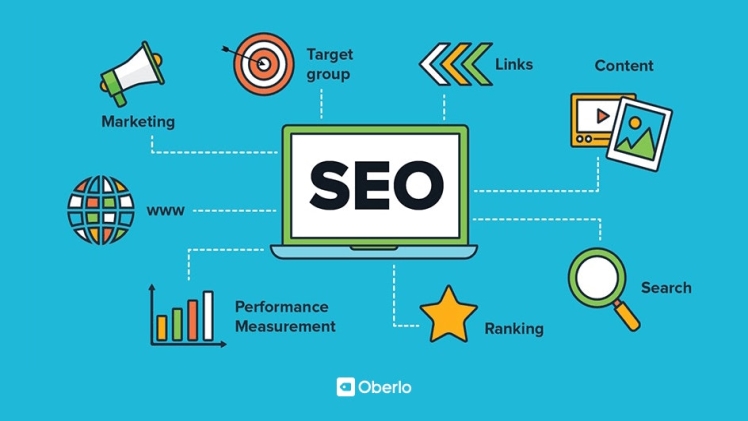
There are many ways that you can optimize your website to ensure that it is performing well in terms of SEO. For starters, you can ensure that you are using the right URLs and meta tags. You can also optimize your images and add structured data to your site.
Optimize Images for SEO
Your organic search results may be impacted by image optimization, a crucial SEO approach. You may monitor the efficiency and traffic of your site by optimizing your photos using a website traffic checker online. Using the right file type and size depends on image optimization. This ensures that your site loads faster and that the content is accessible to your visitors.
The most common types of images are JPEGs and PNGs. Both of these file types are readable by all browsers. However, JPEGs take up the least space without compromising visual quality. In contrast, PNGs tend to be slower to load.
You can optimize images for Google searches by removing unnecessary metadata. Also, ensure that your images have a short URL path and are sized to fit the content of your page.
You can also use alt tags as a part of image optimization. These are text alternatives for images that will make your website more accessible to various users. Adding relevant keywords to your alt tags can increase your site’s SEO performance.
Add Structured Data
Adding structured data to your website is a great place to start if you have a site and want to boost your SEO. Structured data makes it easier for search engines to read and index your web page, improving the chances that your page will appear in search results. In turn, this can increase your clickthrough rates.
Structured data can be implemented manually or automatically, depending on your needs. Several free tools can help you add structured data to your website.
Adding structured data to your site can also give your business a greater chance of appearing in Google Image Search. Having your products appear in image searches helps online businesses generate additional custom.
Structured data can help you qualify for rich snippets, also known as “Rich Results.” These are more informative and actionable, taking up more real estate in your search engine results page.
Optimize Meta Tags
If you are attempting to improve the search engine rankings of your website, it’s important to optimize your meta tags. Getting the right meta tag can help to drive more organic traffic to your site and even increase conversions.
There are four types of meta tags: the title, the description, the meta description, and the meta title. Each of these tags is a way to show what your website has to offer. The meta description is a short description of your page, which helps to provide context to your site.
A meta description is one of the most important aspects of your page’s SEO. It is displayed under the title of your search result page and can influence the page’s rank.
In addition to helping your page rank better in search results, a good meta description can increase your clickthrough rate. Search engines will truncate any meta description longer than 160 characters, so if you can make it shorter, the better.
Optimize URLs
To improve your site’s search engine ranking, you must take URL optimization seriously. The right URL will tell users what is on your page and help search engines know what to index.
It would help to create a logical, readable URL containing only important information. Search engines will only consider this information in the proper format.
One of the best ways to achieve this is to use a URL structure that mirrors your website’s structure. This will make it easier for your visitors to find what they need and make it easier for search engines to crawl your site.
Some people need clarification about optimizing URLs. They think that the importance of URLs depends on the frequency of queries. However, the impact of URLs on high-frequency queries is relatively small.
A more effective approach is to target your primary keywords in the URL. That way, the search engines will see that you are targeting a particular topic.
