

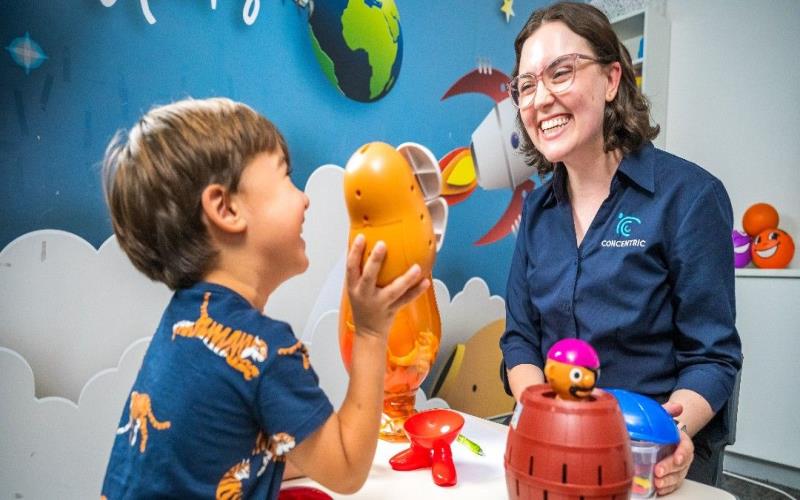
Speech therapy plays a crucial role in the development and enhancement of communication skills for individuals of all ages. It is a specialized field that addresses various speech and language disorders, which can arise from a multitude of causes, including developmental delays, neurological conditions, or physical impairments. The significance of speech therapy extends beyond mere articulation; it encompasses the entire spectrum of communication, including the ability to express thoughts clearly, understand language, and engage in social interactions.
For children, early intervention through speech therapy can lead to improved academic performance and social integration, while adults may find it essential for regaining communication abilities after a stroke or injury. The benefits of speech therapy are profound, as effective communication is foundational to personal relationships, professional success, and overall quality of life. Moreover, the importance of speech therapy is underscored by its ability to foster confidence and self-esteem in individuals facing communication challenges.
Many people with speech or language disorders experience feelings of frustration or isolation due to their difficulties in expressing themselves. Through targeted therapy sessions, individuals can learn techniques to improve their speech clarity and fluency, which can significantly enhance their ability to interact with others. This newfound confidence can lead to greater participation in social activities, improved academic performance, and better job prospects.
Additionally, speech therapy in Melbourne often involves collaboration with families and educators, ensuring that support extends beyond the therapy room and into everyday life. This holistic approach not only aids in the individual’s progress but also educates those around them on how to provide effective support.
Key Takeaways
- Speech therapy is important for individuals with communication disorders to improve their overall quality of life and social interactions.
- Techniques for articulation and pronunciation include exercises to strengthen oral muscles and practice with specific sounds and words.
- Strategies for improving fluency and stuttering involve relaxation techniques, breathing exercises, and desensitization to speaking situations.
- Enhancing language and vocabulary skills can be achieved through activities such as storytelling, word games, and categorization exercises.
- Communication and social skills development in speech therapy focus on turn-taking, topic maintenance, and nonverbal cues to improve interactions with others.
- Utilizing technology in speech therapy can include apps, computer programs, and devices to practice speech exercises and provide feedback for progress.
Techniques for Articulation and Pronunciation
Articulation and pronunciation are fundamental components of effective communication, and various techniques are employed in speech therapy to address these areas. One common method is the use of phonetic placement, where therapists guide individuals in producing specific sounds by demonstrating the correct positioning of the tongue, lips, and jaw. This technique often involves visual aids and tactile feedback to help clients understand how to create sounds accurately.
For instance, a therapist might use mirrors to allow clients to observe their mouth movements while practicing challenging sounds. This hands-on approach not only aids in sound production but also helps individuals become more aware of their speech patterns, leading to more effective self-correction over time. Another effective technique is the use of repetition and practice through structured activities.
Speech therapists often incorporate games, songs, and storytelling into their sessions to make learning engaging and enjoyable. By repeating sounds or words in a playful context, clients can practice articulation without feeling overwhelmed or anxious. Additionally, these activities can be tailored to the individual’s interests, making the learning process more relevant and motivating.
For example, a child who loves animals might practice animal names that contain specific sounds they struggle with. This personalized approach not only enhances articulation skills but also fosters a positive attitude toward speech practice, encouraging clients to continue their efforts outside of therapy sessions.
Strategies for Improving Fluency and Stuttering
Fluency disorders, including stuttering, can significantly impact an individual’s ability to communicate effectively. Speech therapists employ various strategies to help clients improve their health and manage these challenges and improve their overall fluency. One widely used approach is the implementation of slow speech techniques.
By encouraging clients to speak at a slower pace, therapists help them gain control over their speech production. This method allows individuals to focus on their articulation and reduces the pressure that often leads to stuttering episodes. Practicing slow speech can be integrated into everyday conversations, enabling clients to gradually build confidence in their speaking abilities.
In addition to slow speech techniques, cognitive-behavioral strategies are often utilized to address the emotional aspects of stuttering. Many individuals who stutter experience anxiety or fear related to speaking situations, which can exacerbate their fluency issues. Therapists may work with clients to identify negative thought patterns and replace them with more positive affirmations about their communication abilities.
Role-playing exercises can also be beneficial, allowing clients to practice speaking in various scenarios while receiving constructive feedback from their therapist. By addressing both the physical and emotional components of stuttering, these strategies empower individuals to communicate more freely and confidently.
Enhancing Language and Vocabulary Skills
Language development is a critical aspect of communication that encompasses vocabulary acquisition, sentence structure, and comprehension skills. Speech therapy provides targeted interventions aimed at enhancing these language skills for individuals who may struggle with them due to developmental delays or other challenges. One effective strategy involves using thematic vocabulary instruction, where therapists introduce new words within a specific context or theme.
For example, if a client is learning about food, the therapist might introduce vocabulary related to cooking, dining out, or grocery shopping. This contextual approach not only helps clients understand the meaning of words but also encourages them to use new vocabulary in relevant situations. Another important technique for enhancing language skills is the use of storytelling and narrative development.
Storytelling allows individuals to practice organizing their thoughts coherently while also expanding their vocabulary through exposure to new words and phrases. Therapists may encourage clients to create their own stories or retell familiar ones, focusing on elements such as character development, plot structure, and descriptive language. This practice not only improves language skills but also fosters creativity and critical thinking.
Additionally, engaging in discussions about stories can enhance comprehension skills as clients learn to analyze characters’ motivations and themes within narratives.
Communication and Social Skills Development
Effective communication extends beyond verbal expression; it also involves non-verbal cues such as body language, eye contact, and active listening skills. Speech therapy often incorporates social skills training as an integral part of its curriculum, particularly for children on the autism spectrum or those with social communication difficulties. Therapists may use role-playing scenarios to help clients practice initiating conversations, taking turns in dialogue, and responding appropriately to social cues.
These interactive exercises provide a safe environment for individuals to experiment with different social situations while receiving immediate feedback from their therapist. In addition to role-playing, group therapy sessions can be particularly beneficial for developing communication and social skills. In a group setting, individuals have the opportunity to interact with peers who may share similar challenges or experiences.
This collaborative environment encourages participants to practice their conversational skills in real-time while also learning from one another’s successes and mistakes. Group activities may include games that require teamwork or discussions on various topics that promote sharing ideas and opinions. By fostering social connections through these interactions, speech therapy not only enhances communication skills but also builds a sense of community among participants.
Utilizing Technology in Speech Therapy
The integration of technology into speech therapy has revolutionized the way therapists deliver services and engage clients in their learning process. Various applications and software programs are now available that focus on improving articulation, fluency, language skills, and social communication through interactive exercises and games. These digital tools often incorporate visual and auditory feedback mechanisms that allow clients to track their progress in real-time.
For instance, some apps provide instant recordings of a client’s speech so they can hear themselves and make adjustments accordingly. This immediate feedback can be incredibly motivating for clients as they see tangible improvements in their abilities. Furthermore, teletherapy has emerged as a valuable option for delivering speech therapy services remotely.
This approach has become increasingly popular due to its convenience and accessibility, particularly for individuals who may have difficulty attending in-person sessions due to geographical constraints or mobility issues. Through video conferencing platforms, therapists can conduct sessions from anywhere while maintaining a personal connection with their clients. Teletherapy also allows for greater flexibility in scheduling appointments, making it easier for families to integrate therapy into their daily routines.
As technology continues to evolve, its role in speech therapy will likely expand further, offering innovative solutions that enhance communication outcomes for individuals across diverse backgrounds and needs.
