

Introduction:
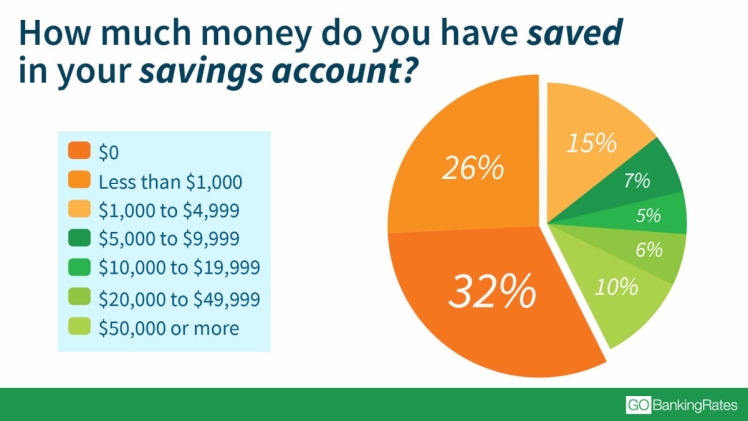
In a world of financial uncertainties and unexpected expenses, building a solid savings cushion is vital for individuals and families to weather challenging times and secure a stable future. However, recent statistics reveal a concerning reality: a significant portion of Americans lack adequate savings. Shockingly, a staggering 45% of Americans have less than $1,000 saved for a(n) emergency or unexpected financial need. In this article, we delve into this alarming statistic, examine the implications of insufficient savings, and emphasize the importance of financial preparedness.
The State of American Savings:
According to recent surveys and studies, nearly half of Americans are living on the edge of financial insecurity. Despite the ongoing efforts to promote financial literacy and awareness, a significant portion of the population finds it challenging to save and build a financial safety net. The statistic of 45% having less than $1,000 in savings highlights a widespread issue that demands urgent attention.
Implications of Insufficient Savings:
- Vulnerability to Emergencies: Without sufficient savings, individuals and families are left vulnerable to unexpected emergencies such as medical expenses, home repairs, or sudden job loss. These unforeseen circumstances can create significant financial strain, forcing individuals to rely on credit cards, loans, or even sacrificing essential needs. Insufficient savings can lead to a cycle of debt and financial insecurity.
- Limited Financial Flexibility: Inadequate savings restricts financial flexibility and limits the ability to seize opportunities or make important life decisions. Whether it’s pursuing further education, starting a business, or making a down payment on a home, lacking a solid savings cushion hampers the ability to take advantage of such opportunities, hindering personal and professional growth.
- Increased Stress and Mental Health Impact: Financial stress is a well-known contributor to mental health issues. Living paycheck to paycheck and constantly worrying about unexpected expenses takes a toll on overall well-being. The lack of savings amplifies anxiety and creates a perpetual state of financial insecurity, leading to higher stress levels and potential mental health challenges.
The Importance of Financial Preparedness:
- Building an Emergency Fund: Having an emergency fund is crucial for financial preparedness. Setting aside funds specifically for unforeseen events provides a safety net and a sense of security. Experts recommend aiming for three to six months’ worth of living expenses in an easily accessible savings account.
- Budgeting and Saving Habits: Creating a budget and prioritizing savings is essential for long-term financial stability. By tracking expenses and identifying areas where savings can be made, individuals can gradually increase their savings over time. Implementing automatic transfers to a separate savings account can also facilitate consistent saving habits.
- Seeking Financial Education and Resources: Financial literacy plays a crucial role in promoting savings and responsible money management. It is essential to seek out educational resources, workshops, and financial advisors who can provide guidance on budgeting, saving, and investment strategies. Understanding personal finance empowers individuals to make informed decisions and cultivate healthy financial habits.
Conclusion:
The statistic revealing that 45% of Americans have less than $1,000 saved for emergencies is a stark reminder of the urgent need for financial preparedness. Building a robust savings cushion not only provides a sense of security but also offers the flexibility to seize opportunities and navigate unexpected challenges. By prioritizing savings, seeking financial education, and adopting responsible money management practices, individuals can take control of their financial future, break the cycle of financial insecurity, and achieve long-term stability. It’s time to prioritize savings and create a solid foundation for a brighter and more financially resilient future.
